National Wellbeing Month
12th August 2026
August is National Wellbeing month, a great opportunity to pause reflect on how we are caring for our own bodies, and the steps we can take to improve our general wellbeing.
Summer can be a total whirlwind, with kids being off school, the chaotic juggling act of work and childcare, and the Olympic-level effort required to organise holidays, can leave us straining under the weight of our mental load. It’s no wonder we end up feeling physically tired and mentally drained.
That’s why August is the perfect time to stage a very small, peaceful protest against the chaos. Let's take a brief moment to figure out how to nourish our bodies and keep our spirits from doing a disappearing act.
Fuelling the machine (without breaking it)
Think of your body as a high-performance vehicle. If you keep topping it up with "ultra-processed mystery fuel," then eventually it's going to start making some awfully strange clunking noises. Your body needs the good stuff to repair the wear and tear of life. If you’ve been relying a bit too much on convenience and processed foods, you might be missing out on your "best self" levels of energy.
The five-a-day hustle
"Eat your greens" might just be the oldest advice in the book, but your mum was onto something! Piling more plants onto your plate can be one of the best life hacks for your health.
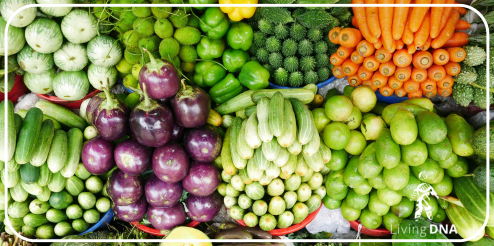
"Fibremaxxing" is a trendy TikTok term right now, meaning ‘to eat the most fibre possible’ but fibre is definitely a hero to your internal plumbing. Healthy adults should be aiming for at least 30 grams a day to keep things moving along nicely.
As in all things though, we should strive for progress and not perfection. A 2022 study showed that adding just 10g more fibre and 100g of extra veg can significantly lower fatigue, which means that eating just 2 small carrots or 7-8 average brussels sprouts a day could help you feel a little less like a zombie.
Fibre will keep you... ahem... "regular" in the bathroom, which leads to better overall gut health. High-fibre diets are linked to lower risks of heart disease and type 2 diabetes.
Plants also pack a punch with other nutrients - take Vitamin C, for example. It is also known as ‘ascorbic acid’, and helps your body to make collagen, a protein found in connective tissues throughout the body, such as the skin, bones, tendons, and the dentine in your teeth. It also helps to make some neurotransmitters and hormones, and can even act as an antioxidant, helping to protect your health at a cellular level.
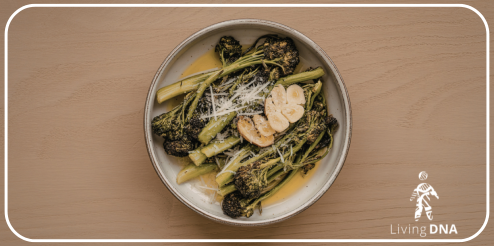
Broccoli is a Vitamin C powerhouse with 81 milligrams per cup (that’s roughly 90% of an adult’s recommended daily intake, or RDI), and 2.4g of fibre to help you on your way to that 30g target. Boiling broccoli into mush will also leech out that precious vitamin C though, as it’s water soluble. Living DNA’s resident foodie recommends lightly roasting it with garlic and parmesan.
If you want to keep it classic though, berries, citrus, and kiwi are also great. Just get those nutrients however you can!
Protein: The body's Lego bricks
Protein is the building block for your muscles, bones, and even your hormones. If you’re not getting enough, your body’s "repair crew" is effectively going to go on strike.
Healthy adult women need about 46g and men about 56g daily. Luckily, you don't have to be a hardcore carnivore to get it; plant-based sources are fantastic too.
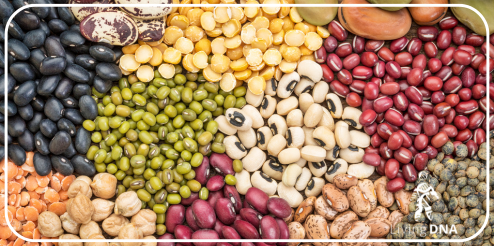
Enter the humble bean. They might have a "musical" reputation, but beans are genuinely incredible for heart health, and they provide a steady stream of energy with a combination of protein and fibre, keeping you going for longer with fewer cravings.
…Just maybe don't increase your intake by 500% overnight if you value your social life.
Don't underestimate a good snooze
Sleep isn’t just a luxury or a way to kill time until breakfast; it’s when your body does its most important work. While you’re out cold, your brain is busy consolidating memories and clearing out mental clutter, and your body is repairing tissues and rebalancing hormones.
One bad night of sleep can affect your mood for days as your body struggles to catch up on the lost hours of rest, and chronic sleep loss has been linked to higher risks of illnesses such as diabetes and cardiovascular conditions.
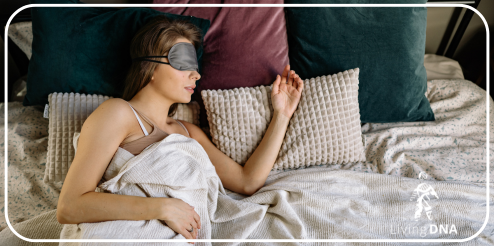
To get the most out of your Zs, try these sleep hygiene tips:
- Consistency is King: Try to hit the hay and wake up at the same time every day, even at the weekend. Consistency trains your body to rest at certain hours, helping you to sleep more peacefully during the night.
- Ditch the Screens: Put your phone away at least an hour before bed. The blue light from screens is a "stay awake" signal for your brain.
- Cosy Rituals: New parents looking for infant sleep advice are constantly advised to give their baby or toddler the ‘Bath, Book, Bed’ routine, and the same advice can be great for grownups as well. The warmth from a bath or shower increases your body temperature, and the sudden drop when you get out signals to your brain that it’s time to rest (you can get the same effect to a lesser extent with a hot caffeine-free drink), and a book will force you to stay away from the blue-light of your screen.
- Know Your Type: Are you an early bird or a night owl? Understanding your genetic chronotype can help you schedule your hardest tasks when you’re actually awake enough to do them.
The joy of a good walk
If heading to the gym feels like voluntarily walking into a torture chamber, we have great news: walking is one of the best and, for most people, easiest things you can do for yourself.
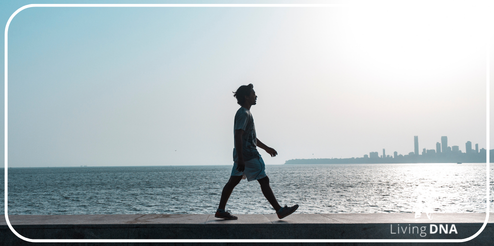
A walk is free, it requires minimal equipment (shoes and any mobility aids you may need), and it’s a powerhouse for both physical and mental health. A brisk walk clears the cobwebs, lowers stress hormones, and gives you a hit of Vitamin D when the sun is shining.
You don’t have to go on a multi-hour hike to get the benefits. Walking briskly for just 10-11 minutes a day can have a huge effect on your mental and physical health.
Small positive changes
You might consider a Living DNA Wellbeing test or Health upgrade to help you understand how your body is predisposed to respond to different nutrients and fitness. They're available from our website or portal.
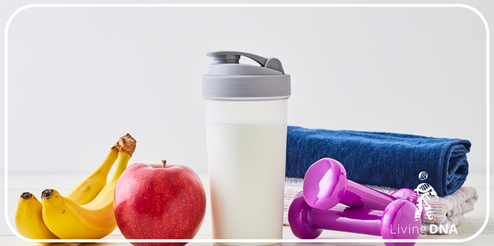
August might be busy, but you don't have to run on empty. By eating a few more greens, prioritising your rest time, and taking a stroll around the block, you're giving your body the care it deserves to get you through the end of summer.