How DNA could come into play during the 2026 FIFA World Cup
30th June 2026
From how efficiently your body processes oxygen to how quickly it can recover from injury, let’s take a look at some of the traits that could be setting you up for soccer success, or football failure!
Any good team relies upon people bringing different strengths to the table, and the World Cup 2026 is highlighting this simple fact on the world stage.

Some players rely on explosive speed and footwork. Others are known for their endurance, power, recovery, or tactical intelligence.
From endurance and recovery to mobility and flexibility, the reason for our natural differences starts with our genes. Their influence on how our bodies respond to exercise and physical activity forms the foundation for everything that comes after - nutrition, training, rest, everything professional football players do to maintain peak performance.

Living DNA’s Fitness Genomics test provides insights into genetic traits linked to movement and performance, helping you better understand how your body may respond to different training approaches.
Sprinter genes?
You're built to be a winger.
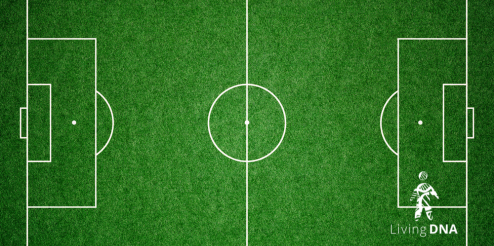
For the uninitiated, a winger in football is a player stationed at the sides of the pitch. Their job is generally to get the ball in position for a striker to score a goal. They need a good understanding of tactics, but importantly they also need a number of key physical traits. Being able to accelerate quickly to their top sprinting speed, while maintaining control of the ball, and having the agility to change direction or move through a gap between opposing players quickly is key to a good winger.
Your power is your body’s ability to generate short bursts of high-intensity movement, such as quickly accelerating with the ball. Genetic factors can influence your muscle fibre composition, affecting whether you naturally excel in those explosive bursts of activity.
Is endurance your super power?
Midfield could be your natural role.
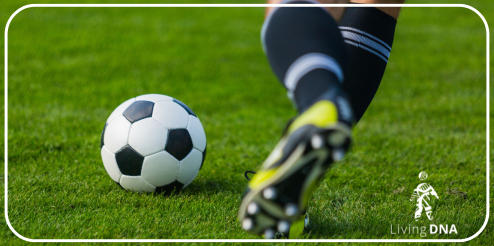
A midfielder has one of the most physically demanding roles on the pitch. They run for almost the whole 90 minute game, sometimes 10-12km in a single match, and they play almost exclusively a defensive role keeping the ball away from your team’s goal.
Living DNA’s Endurance trait assesses genetic variations that influence your body’s ability to perform sustained aerobic exercise. It relates to how efficiently your body utilises oxygen during prolonged activity, such as those 90 long minutes running on the pitch.
Sharp reflexes and agility?
You’re built to be a goalkeeper.
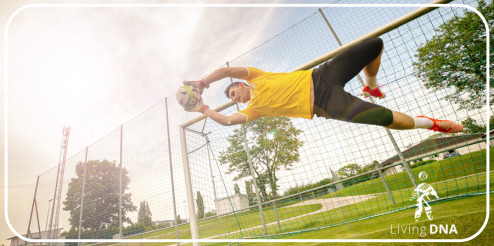
The goalkeeper is the final barrier to the opposing team, tasked with the high-pressure responsibility of protecting the net. This role needs someone with exceptional hand-eye coordination, fast reflexes to track unpredictable shots, and the agility to launch across the goal as the ball approaches. Beyond just power, a goalkeeper's success will often hinge on their range of motion and the ability to reach difficult angles.
Living DNA’s Flexibility trait assesses how your body is genetically predisposed to more or less elasticity in your connective tissues. As a goalkeeper, your ability to stretch, dive, and recover quickly depends on your range of motion, qualities that can be guided by understanding your genetic predisposition for flexibility.
Explosive performance?
Think Striker
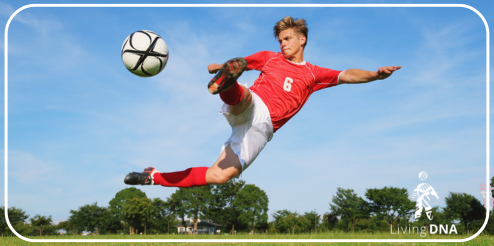
A striker's converts opportunities into goals. They need to have a blend of explosive acceleration, sharp change of direction, and powerful shooting. They must be able to break past defenders, often operating in confined spaces where quick turns and rapid bursts of speed make the difference between a shot on goal and a lost possession.
The Resistance Training and Muscle Building trait assesses the genetic factors that influence your muscle growth and strength development. It can help determine whether you naturally build muscle quickly or require more targeted training to see significant changes that lead to those powerful shots.
What Position Would Your DNA Play?

Whether you’ve been inspired to get active during the World Cup, or you’re looking to optimise your existing fitness routine, the Living DNA Genetic Health insights can help you make more informed choices about how you train, recover, and most importantly, how you stay motivated. If you've taken a test or uploaded your raw data to us, check out the Fitness insights in the store in your portal.